Your dog may not use words, but they are always “talking” to you through their body movements, facial expressions, and posture. Every wag of the tail, tilt of the head, or shift in their stance carries meaning. By learning to interpret these signals, you can better understand your dog’s emotions, needs, and intentions.
In this informative guide, we’ll help you learn dog body language, understanding the subtle and obvious hints. Having this knowledge will also help deepen the trust and harmony with your pet. We’ll also uncover some misconceptions related to dog behaviour to help you avoid misunderstanding and show up better for your canine companion.
Let’s get started!
Why Understanding Dog Body Language Matters?
Simply because communicating through their body is the only language dogs know, and it’s important for us to learn their language. Understanding their signals and acting upon them helps your dog build trust with you, leading to stronger bonds. Whether you have a puppy or an adult dog, knowing what your furry friend is saying creates a safe and happier home.
How to Tell What Your Dog is Feeling?
In this segment, we’ll explore how your dog may communicate different emotions through their behaviours.
Signs of happiness and relaxation
- Mid-level wagging tail
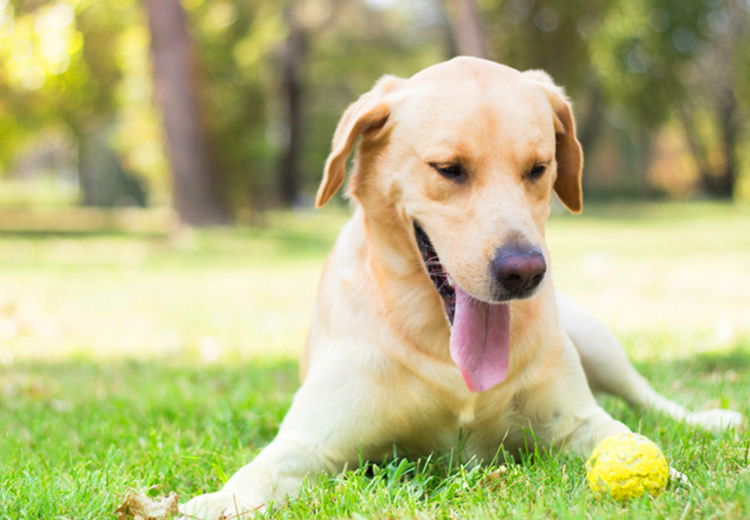
- Light panting with an open mouth
- Tongue slightly hanging out
- Eyes soft and relaxed
Signs of confidence:
- Standing tall
- Tail wagging slowly
- Ears up
- Eyes alert and engaged in direct contact
Signs of anxiety and fear:
- Tail tucked under
- Lowered head with ears pinned back
- Avoiding eye contact
- Trembling
- Repeated yawning or lip licking
- Seeking to hide
Signs of playfulness and excitement:
- Tail wagging in big, swinging motions
- Bright, happy eyes
- Bouncing and hopping
- Lowered front legs (the play bow)
- High-energy zoomies
Signs of aggression and defence:
- Intense, hard stare
- Tail held high and stiff
- Barking or growling
- Raised hackles
- Low head, ears pinned back
Submissive and appeasing:
- Lowering their head and licking their tail
- Rolling over to expose the belly
- Avoiding direct eye contact
- Frequent lip licking
- Crouching or making themselves small
Dogs Body Parts and What They Communicate
Here, you’ll learn what dogs generally communicate through their body parts. It is important to observe their entire body and understand the context to get the full picture.
Tail Position and Movement: The Emotional Indicator
High and rigid: Alertness, confidence
Loose, sweeping wag: Calm, confident, friendly
Tucked low or between legs: Fear, anxiety, or submission
Slow, stiff wag: Uncertainty or discomfort
Eyes and Eyebrows: Shows Attention and Intent
Soft, squinty eyes: Relaxed and comfortable
Hard stare: Warning, discomfort, or sign of aggression
Whale eye (showing the whites of the eyes): Intense stress or fear
Avoiding eye contact: Uneasy, submissive, or trying to be calm
Dilated pupils: High excitement, fear, or arousal
Ear Position: The Emotional Radar
Up and forward: Alert, interested, or confident
Pinned back: Fear, anxiety, or submission
Relaxed: Contentment
Sideways/flattened: Conflicted, nervous, or unsure
Mouth and Facial Expressions
Relaxed, open mouth (tongue out): Content and comfortable
Tight, closed mouth: Tension, stress, or intense focus
Yawning: Tiredness or stress
Lip licking: Nervousness or stress
Teeth baring: Aggression, fear, or discomfort
Overall Body Posture
Play bow (front legs down, rear up): Invitation to play
Loose, curvy, wiggly: Happy and relaxed
Stiff, upright, and rigid: High alert or feeling threatened
Crouching/Making themselves small: Fear, anxiety, or submission
Raised hackles: Arousal, excitement, or fear
Being aware of these signals will help you recognise and address your pet’s needs better and timely.
Common Misconceptions Pet Parents Must Know
It’s easy to misread dog behaviour, especially when some signals seem obvious but can actually mean something entirely different. Here are a few common misconceptions every pet parent should be aware of:
A wagging tail always means happiness.
Truth: Tail wagging can signal excitement, anxiety, or even aggression depending on speed, height, and stiffness.
Showing the belly does not always mean “rub my tummy”.
Truth: Sometimes it’s a sign of submission or nervousness, not necessarily an invitation for touch.
A growling dog is always aggressive.
Truth: Growling is a warning signal. It’s your dog’s way of saying they’re uncomfortable and need space, so respect it rather than punishing them.
Yawning always means tiredness.
Truth: Dogs often yawn when stressed or anxious, not just when sleepy.
Licking means affection only.
Truth: It can also signal anxiety, submission, or an attempt to soothe a situation.
Consider Your Dog’s Individual Characteristics
Dogs come in different breeds, colours, and sizes, and these factors naturally impact the way they communicate.
- It might be harder to spot subtle facial or bodily movements in dogs with dark or very long coats.
- Dogs with wrinkled skin might not be able to move their faces and bodies the same way other dogs express their feelings.
- Tails are a major indicating factor, but it can be difficult for dogs that have tightly curled tails or no tail at all.
- Some dogs have long, floppy ears, so the ear movements won’t be as obvious and will require keen attention.
These are a few instances that highlight why you need to pay a little more attention to your dog’s individual characteristics.
Parting Words
Learning to read your dog’s body language is like unlocking a secret code to their emotions. It allows you to respond with empathy, build trust, and create an environment where your dog feels safe and understood, taking your bond to the next level.
We hope this informative guide will help you understand your beloved canine companion a little better and provide them with the love and care they deserve. Happy pet parenting!











































_11132025_205157.png)








_06042025_024147.jpg)